
Energy storage batteries
Request BT 10–15 kWh Battery Selection & QuoteBT Series 10–15 kWh Wheeled LiFePO4 Batteries
This floor-standing BT Series provides 10 and 15 kWh capacity choices in a wheeled enclosure for on-site positioning. The wheels support placement but do not make these heavy batteries portable consumer products.
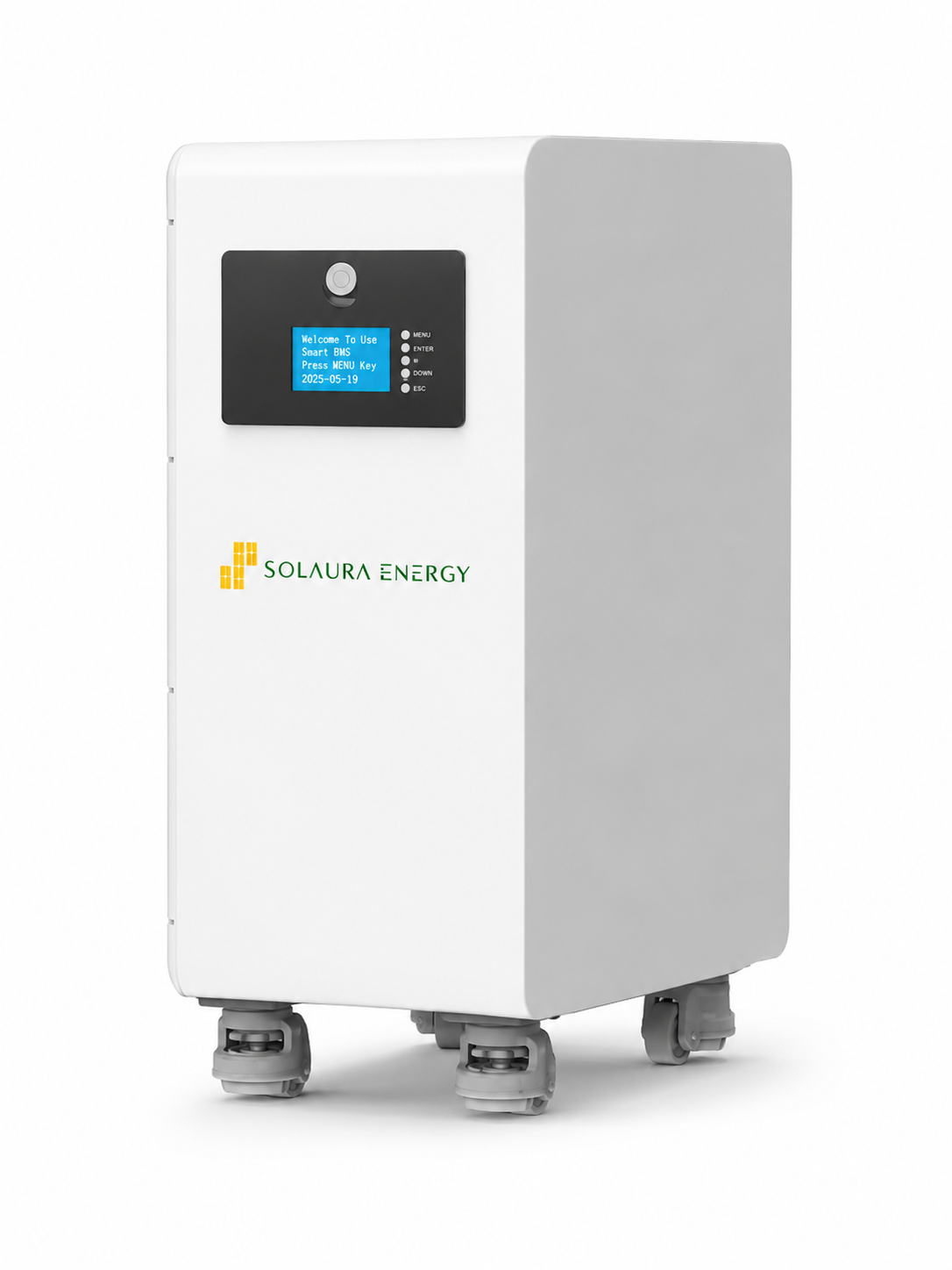
BAT
Project supply details
BT Lithium-Ion Battery with Wheels Series for solar energy storage and project supply.
Suitable for solar energy storage, telecom backup, UPS systems, residential and commercial storage cabinets.
- Model Range
- BT-10KWH / BT-15KWH
- Series
- BT Lithium-Ion Battery with Wheels Series
- Battery Type
- LiFePO4 lithium-ion battery
Two Standard Capacities in a Wheeled Enclosure
- 10 kWh/200Ah and 15 kWh/300Ah configurations.
- 51.2V LiFePO4 architecture for both models.
- Current specifications list up to 16 units in parallel and more than 8,000 cycles.
- Listed weights of approximately 85 and 105 kg for project logistics planning.
Applications for BT Wheeled Battery Systems
- Distributor standard-capacity stocking
- Shop and office energy storage
- Telecom, UPS and project battery supply
Core specifications
| Model Range | BT-10KWH / BT-15KWH |
|---|---|
| Series | BT Lithium-Ion Battery with Wheels Series |
| Battery Type | LiFePO4 lithium-ion battery |
System configuration
BT Lithium-Ion Battery with Wheels Series technical details
BT-10KWH - Battery Specifications
BT-10KWH - Charge & Discharge Performance
BT-10KWH - BMS Protection & Communication
BT-15KWH - Battery Specifications
BT-15KWH - Charge & Discharge Performance
BT-15KWH - BMS Protection & Communication
Questions before quotation
Which capacities are available in this wheeled BT Series?
Current models provide 10 and 15 kWh at 51.2V.
Do the wheels make these batteries portable power stations?
No. Listed weights are approximately 85–105 kg. The wheels support on-site positioning rather than hand-carried portability.
How should buyers choose between 10 and 15 kWh?
Selection should consider target storage, load requirements, charge/discharge current, parallel quantity and installation space.